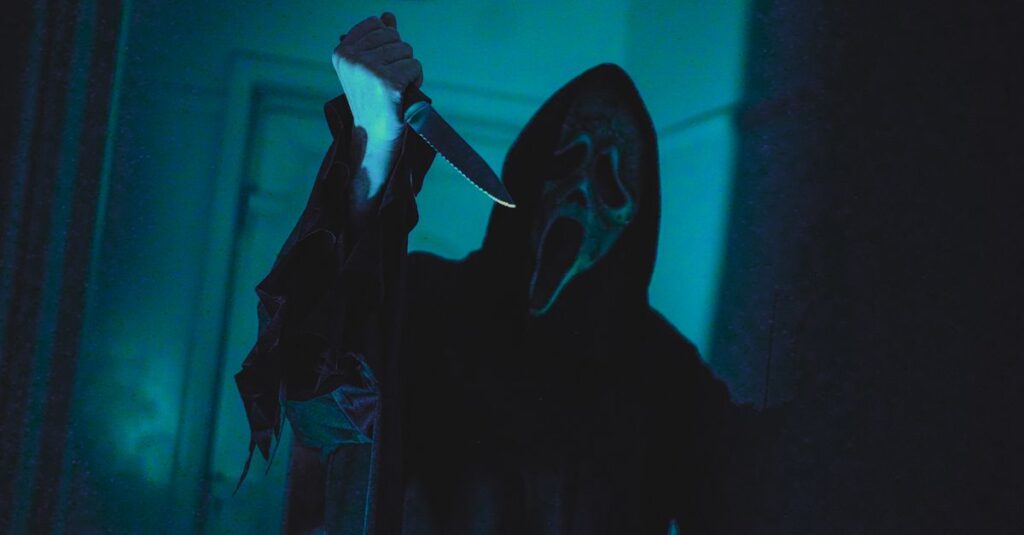
10 Best Slasher Movies, From Genre Classics to Modern Twists
Key takeaways
- “This list balances influential classics with later films that reshape the genre, so you can pick a starting point by mood rather than rely on a supposedly definitive ranking.”
- “Slasher” is a flexible label: it usually describes a story built around a killer stalking multiple victims, but films can blend those conventions with psychological thriller, supernatural horror, or comedy.
- These picks aren’t presented as an objective ranking. They’re a varied introduction to the genre, selected for their influence, distinctive approach, or usefulness for viewers who want a particular kind of horror.
- The genre’s appeal lies in how many different moods it can deliver through the same basic setup: someone is being hunted, and escape is far from guaranteed.
Table of contents
- 10 Best Slasher Movies, From Genre Classics to Modern Twists
- Key takeaways
- The best slasher movies to watch
- 1. Psycho (1960): A psychological-thriller precursor
- 2. The Texas Chain Saw Massacre (1974): Raw, relentless terror
- 3. Black Christmas (1974): A suspense-first holiday horror film
- 4. Halloween (1978): The essential stalk-and-survive template
- 5. Friday the 13th (1980): An ’80s franchise-era pick
- 6. A Nightmare on Elm Street (1984): A supernatural slasher
- 7. Scream (1996): Slasher suspense with self-aware humor
- 8. I Know What You Did Last Summer (1997): A late-’90s teen slasher
- 9. You’re Next (2011): A modern survival-focused slasher
- 10. Happy Death Day (2017): A playful slasher with a sci-fi twist
- 11. Totally Killer (2023): Time-travel comedy meets slasher
- Which slasher should you watch first?
- What makes a movie a slasher?
- The takeaway
The best slasher movies don’t all follow the same formula. Some build dread through a killer’s slow pursuit; others mix in supernatural horror, sharp comedy, or self-aware commentary. This list balances influential classics with later films that reshape the genre, so you can pick a starting point by mood rather than rely on a supposedly definitive ranking.
“Slasher” is a flexible label: it usually describes a story built around a killer stalking multiple victims, but films can blend those conventions with psychological thriller, supernatural horror, or comedy. Film scholars also disagree about where the genre begins. Psycho is often treated as a precursor, while Black Christmas and The Texas Chain Saw Massacre are key early examples. Halloween helped popularize a recognizable slasher template, but it wasn’t the first film to use slasher conventions. (Bowling Green State University research; Southern Illinois University research)
The best slasher movies to watch
These picks aren’t presented as an objective ranking. They’re a varied introduction to the genre, selected for their influence, distinctive approach, or usefulness for viewers who want a particular kind of horror.
1. Psycho (1960): A psychological-thriller precursor
Alfred Hitchcock’s Psycho predates the slasher boom and is better described as a psychological thriller with major influence on the genre than as a typical modern slasher. It’s a strong choice if you want to see an earlier film that helped shape later horror storytelling. Its emphasis is on suspense and unease, rather than the elaborate killer mythology that some later franchises would develop.
Best for: Viewers interested in the roots of slasher cinema and suspense-driven horror.
2. The Texas Chain Saw Massacre (1974): Raw, relentless terror
Tobe Hooper’s The Texas Chain Saw Massacre is one of the defining early films associated with the genre. Its grimy, confrontational style makes it a very different experience from more polished, playful slashers. If you’re looking for an intense film that keeps its horror grounded and immediate, this is a notable starting point—but it may be too harsh in tone for a casual movie night.
Best for: Experienced horror viewers who want an abrasive, high-tension classic.
3. Black Christmas (1974): A suspense-first holiday horror film
Set during the Christmas season, Black Christmas makes an ordinary shared house feel threatening. Rather than relying only on shocks, it builds unease around the characters’ vulnerability and uncertainty about the danger around them. It’s frequently cited alongside The Texas Chain Saw Massacre as an important early slasher, though the genre’s origins remain open to interpretation.
Best for: Viewers who prefer creeping tension to a fast, action-heavy pace.
4. Halloween (1978): The essential stalk-and-survive template
John Carpenter’s Halloween is a natural first watch for anyone exploring the genre. Its measured pacing, suburban setting, and focus on a killer’s pursuit helped establish conventions that many later slashers would borrow. It’s also a useful example of how suspense can come from waiting for danger, not just from showing it.
The film’s influence is substantial, but calling it the first slasher overlooks earlier films and the contested history of the genre. (Bowling Green State University research)
Best for: First-time viewers and anyone who wants to see a classic, straight-faced slasher.
5. Friday the 13th (1980): An ’80s franchise-era pick
The 1980s became strongly associated with slasher popularity and enduring horror icons. Friday the 13th is one of the best-known entries from that period, and a useful pick if you want to explore the era’s franchise-driven side of the genre. It’s a better fit for viewers who enjoy classic horror conventions than for those seeking a contemporary style.
Best for: Fans of ’80s horror and long-running slasher series.
6. A Nightmare on Elm Street (1984): A supernatural slasher
Wes Craven’s A Nightmare on Elm Street changes the usual stalk-and-survive setup by giving its threat a supernatural dimension. That makes it a good alternative if a purely physical killer feels too familiar. The dream-based premise also gives the film a more surreal character than the genre’s grounded entries.
Best for: Viewers who want slasher suspense with supernatural horror.
7. Scream (1996): Slasher suspense with self-aware humor
Scream pairs a slasher mystery with jokes about horror conventions. Its characters know the rules people associate with scary movies, which gives the film room to poke fun at familiar genre habits while still taking the threat seriously. That mix makes it an accessible pick for viewers who like horror but don’t want the tone to stay relentlessly grim.
Best for: Beginners, group viewing, and anyone who enjoys a witty, self-aware approach.
8. I Know What You Did Last Summer (1997): A late-’90s teen slasher
For a more conventional teen-horror option, try I Know What You Did Last Summer. It offers a different mood from Scream: less focused on commentary about horror rules, and more interested in mounting tension around a group of young people facing danger. It works well as a companion watch if you’re curious about the late-1990s slasher revival.
Best for: Viewers looking for a teen-focused slasher without the same meta emphasis as Scream.
9. You’re Next (2011): A modern survival-focused slasher
You’re Next is a strong choice for a more contemporary take on the genre. It puts survival strategy at the center, giving the danger a more immediate, tactical feel than the deliberate stalking in older classics. The film also shows how a slasher setup can be refreshed without discarding the core idea of being hunted.
Best for: Viewers who want brisk, modern horror and resourceful survival.
10. Happy Death Day (2017): A playful slasher with a sci-fi twist
Happy Death Day blends slasher suspense with comedy and a science-fiction premise. That combination makes it lighter in tone than many classics on this list, though it still builds its story around a recurring threat. It’s a good pick when you want a horror movie that doesn’t take the same grim path as The Texas Chain Saw Massacre or Halloween.
Best for: Viewers who want a funny, high-concept horror film.
11. Totally Killer (2023): Time-travel comedy meets slasher
Totally Killer mixes slasher conventions with time-travel comedy. It belongs to a newer wave of films that use the genre as a framework for playing with other styles. Like Happy Death Day, it’s a useful choice if you’re curious about modern slashers but prefer a lighter, more comedic tone.
Best for: Fans of comedy-horror and genre mash-ups.
Which slasher should you watch first?
If you’re new to the genre, start with Scream for a lively blend of suspense and humor, or Halloween for a more traditional stalk-and-survive film. For older, less polished intensity, try Black Christmas or The Texas Chain Saw Massacre. Choose A Nightmare on Elm Street if you want supernatural horror, and Happy Death Day if comedy is part of the appeal.
A simple viewing path is to watch one classic and then a later film that changes the formula: pair Halloween with Scream, or Black Christmas with You’re Next. There’s no required watch order, and these titles aren’t all equally graphic or similar in tone. Check content guidance if you’re choosing a film for someone sensitive to violence.
What makes a movie a slasher?
A slasher typically centers on a killer pursuing and murdering multiple victims, with suspense built around who might escape. Many films in the genre also feature a “final girl”—a term commonly used for the woman who survives and confronts the killer. But the label isn’t exact: some horror films use only a few slasher conventions, while others combine them with thriller, supernatural, or comedy elements. (Bowling Green State University research; Southern Illinois University research)
That’s why a critic’s ranking and a practical watchlist can produce different answers to “What’s the best slasher movie?” Rankings based on review scores measure critical consensus, not necessarily a film’s influence, tone, or fit for a particular viewer. Rotten Tomatoes’ slasher guide is one reference point, but it’s more useful to choose based on what kind of horror you want.
The takeaway
For a first slasher, pick Scream for self-aware fun or Halloween for classic suspense. For a more unsettling experience, try Black Christmas; for supernatural horror, choose A Nightmare on Elm Street. The genre’s appeal lies in how many different moods it can deliver through the same basic setup: someone is being hunted, and escape is far from guaranteed.